
The Logistics Nobody Talks About

I never set out to buy a house in Mexico.
I set out to buy a vacation place. Somewhere on the coast a couple hours south of San Diego. Something I could fix up over weekends, rent out when I wasn’t there, eventually retire to in some distant future I hadn’t really thought through. The plan was small. The plan was clean. The plan was wrong on almost every dimension, starting with how any of this would actually get done.
Buying a house in Mexico as a foreigner is not a transaction. It’s a small village helping you do something you are legally not allowed to do alone. The paperwork is real. The money is real. The thing you don’t see coming, the thing nobody warns you about, is the debt you accumulate that isn’t denominated in pesos.
What the Mexican State Actually Lets You Do
The first thing to understand is that as a foreigner you can’t directly own land in the part of Mexico anyone actually wants to live in. Article 27 of the 1917 Mexican Constitution prohibits foreigners from holding direct title to property within 100 kilometers of any international border or 50 kilometers of any coastline.1 All of Baja California is inside that zone. The entire peninsula is within 50km of either the Pacific or the Sea of Cortez. There is no version of buying a house in Ensenada where you simply own it the way you’d own a house in Cleveland.
The legal workaround is a fideicomiso. A 50-year renewable bank trust, set up under Articles 10 through 13 of the Foreign Investment Law of 1993.2 A Mexican bank holds the title. You are the beneficiary. You have every practical right of an owner. You can live in it, rent it out, remodel it, mortgage it, will it to your kids. You just can’t be the one whose name is on the deed at the registry.
The fideicomiso is, on its merits, a reasonable instrument. It’s basically a revocable living trust, similar to what a US estate attorney would set up to keep your house out of probate. The trust renews indefinitely in 50-year increments.3
The trouble is everything around it.
To set one up, you need a permit from the Secretaría de Relaciones Exteriores. The permit itself ran somewhere around US$900 to $1,000 in 2022.4 Then you pay a Mexican bank a one-time setup fee, somewhere in the $1,500 to $2,500 range, plus a recurring annual administration fee of $500 to $1,000 to “administer” your ownership.5 The bank is required to use its in-house legal department, which means the law firm doing your paperwork is whoever the bank has decided gets that business. I have no specific evidence anyone bribed anyone in my deal. I don’t need any. The general rule for understanding any Mexican institution is mordida, the bite. Somewhere along the chain, someone who knew the right person is getting their cut. Not necessarily on your file. Just generally, as a fact of how the system runs.
The original idea, supposedly, was to prevent foreigners from buying up the most desirable land. In practice it doesn’t prevent any of that. It just makes it more expensive, and routes the friction money to banks instead of to the Mexican people. The average Mexican still can’t afford a house outside the Infonavit subsidy system. The American with $200,000 can absolutely buy beachfront. The fideicomiso is a tax on access, not a barrier to it.
The First Realtor Who Wouldn’t Listen
I started looking in 2021. Mom and I contracted with the first realtor through a referral. I’ll call her Swingercita. (You’ll understand the name later. Or rather you won’t, until I write that particular chapter.) She spoke fluent English. She’d lived abroad. On paper she was the obvious pick.
The problem was that she only wanted to sell us properties she’d both listed and sold, because that meant double commission. So every house she showed us was 200% of my budget or more. I’d say “this is outside what we want to spend.” She’d say “but look at this kitchen.” I’d say “I’m not financing a kitchen.” She’d schedule another walkthrough of a different house at the same price point.
By Thanksgiving of 2021 we had her over for dinner. I still didn’t know she was a swinger. I didn’t even know she had a husband yet. I just thought she was a bad listener with a worse business model. Within a few weeks of that Thanksgiving I’d quietly decided to stop returning her calls. Late 2021 I was honestly close to abandoning the whole Mexico idea. Real estate is the kind of decision where if the process starts feeling wrong, the right move is usually to stop.
The man who saved the purchase was Mr. F.
The People Who Made It Possible
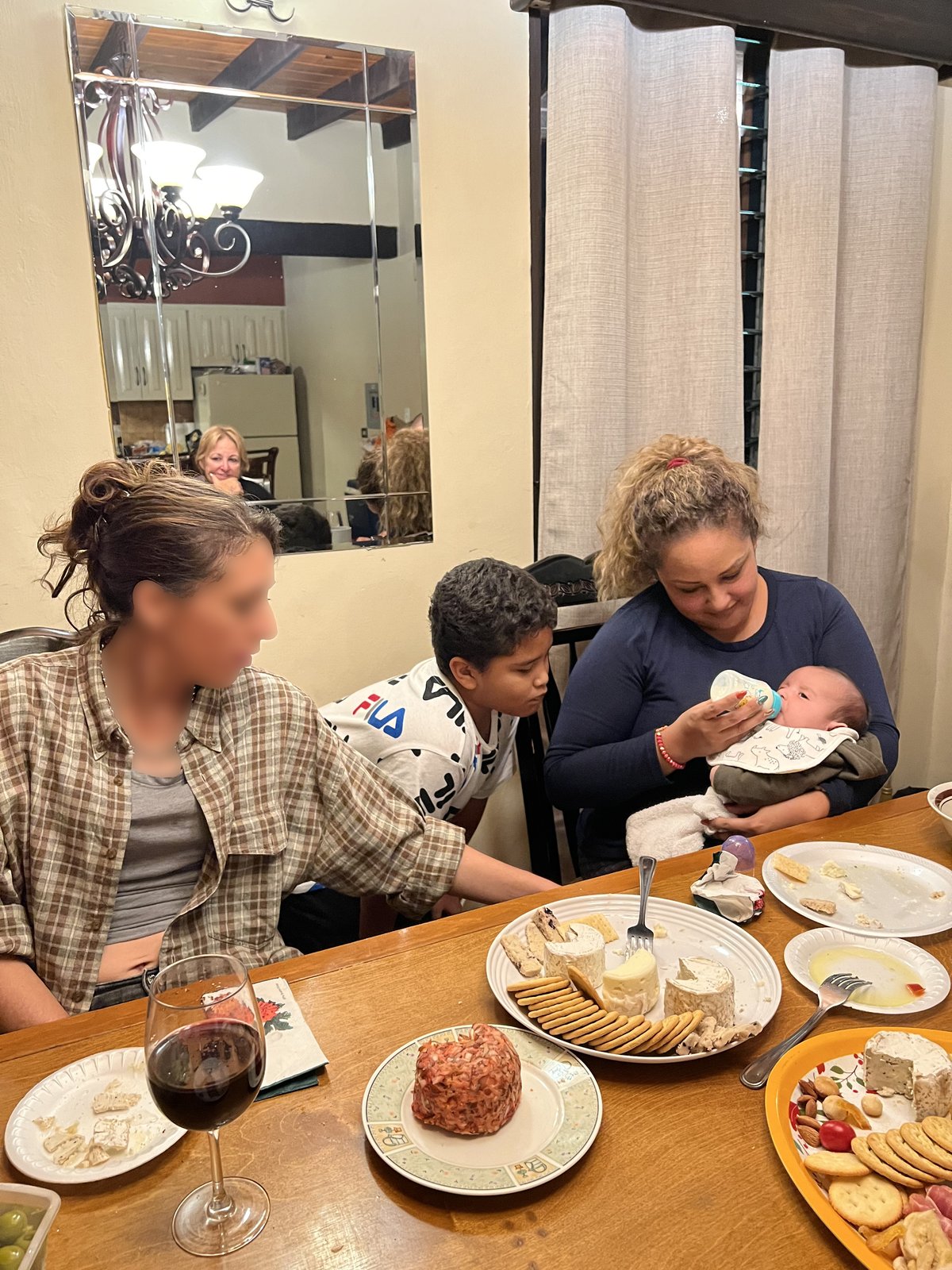
Mr. F is a Baja native, a small business owner, and one of the more genuinely helpful people I’ve ever met. None of those descriptions cancel out the others. He’s complicated. We had been friends years earlier, lost touch when he started in on a long-distance on-again-off-again with a British guy who couldn’t see him clearly, and reconnected when I started visiting Ensenada regularly. For about six months in late 2021 and early 2022 he spent every weekend with me when I was in town. Showed me his city. Introduced me to people. Walked me through the bureaucratic process of just existing as a foreigner who wanted to be there. None of it was small. None of it was billable. None of it had a stated price.
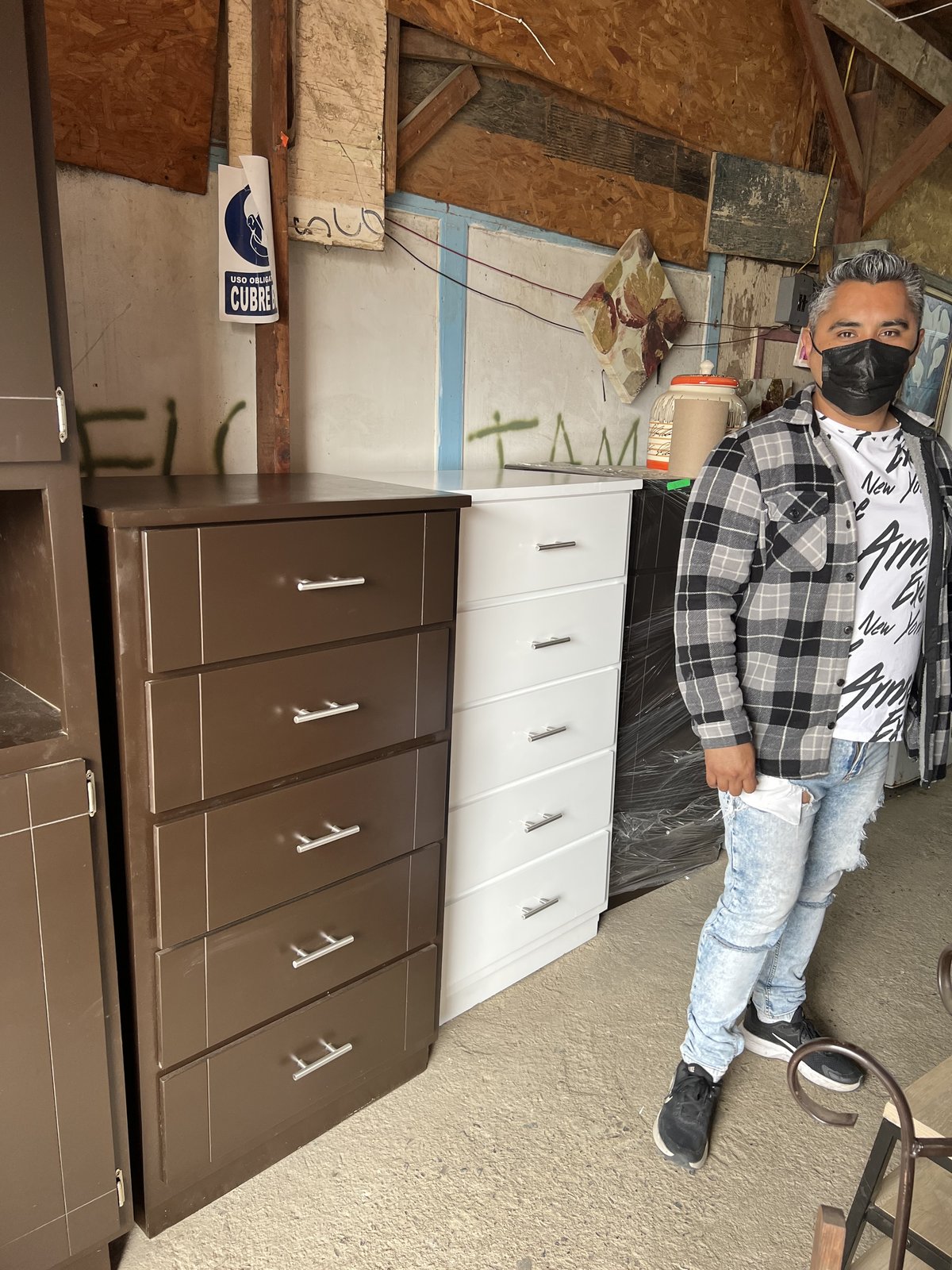
There was also Wendy. A hairstylist I’d known years earlier in San Diego from a past chapter of life, who’d retired to Ensenada a few years ahead of me. She was the other person who made the move feel possible. Between her and Mr. F, I had two people on the ground showing me what a normal life there actually looked like. Neither of them was selling me anything. They just lived there, and they let me see it.
He found me my realtor.
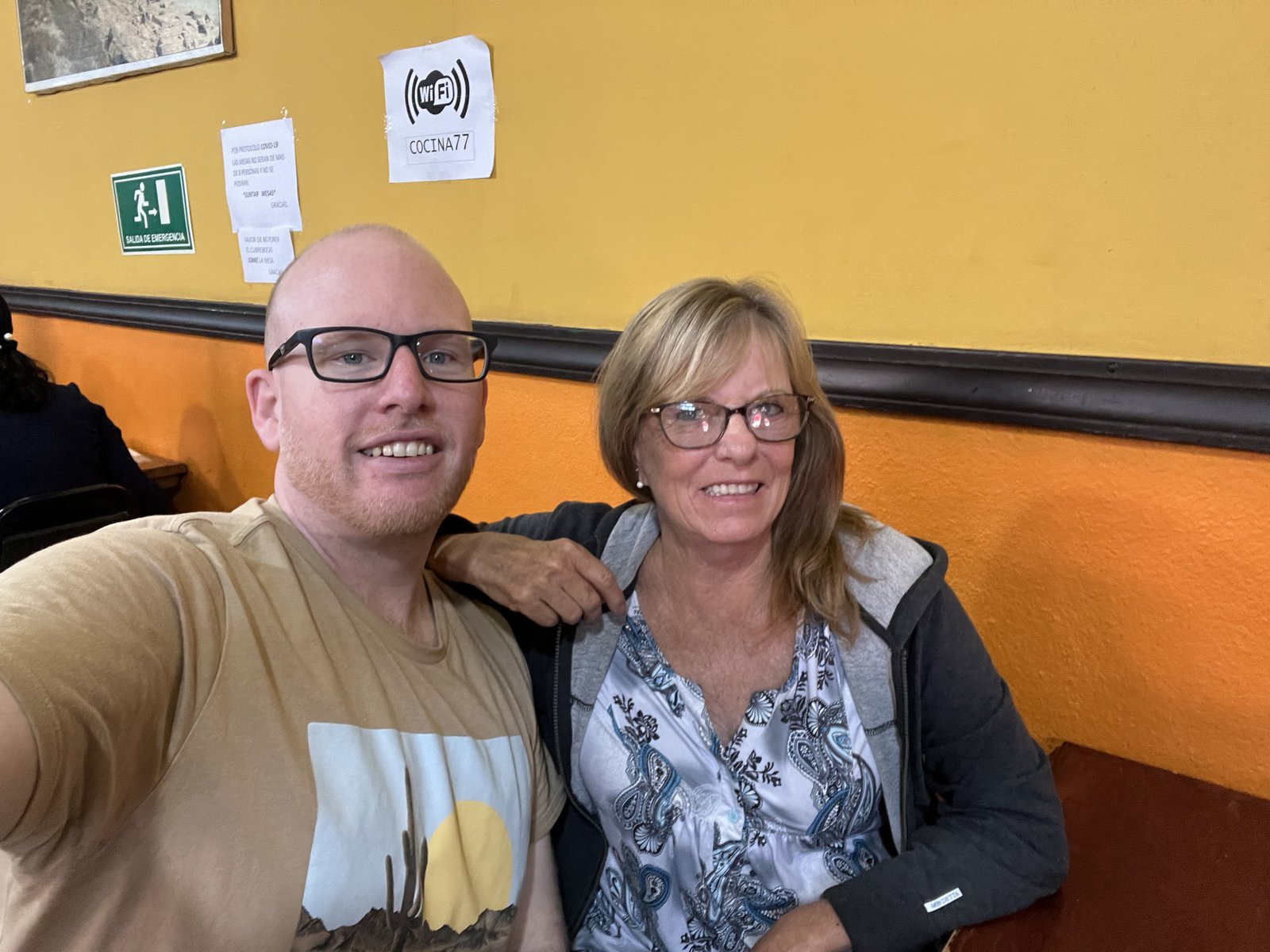
Her name is Haydee Romero. She is, without exaggeration, one of the best things that came out of the entire move. On day one she showed us four houses. Two in budget, two slightly above. The first house had tenants who clearly hadn’t been told the place was for sale, five yappy dogs that had pissed on most of the floor, and the kind of dust you can taste. I walked in and immediately knew it was mine. I can’t explain it better than that. The universe handed me a sign that read this one and I read the sign.
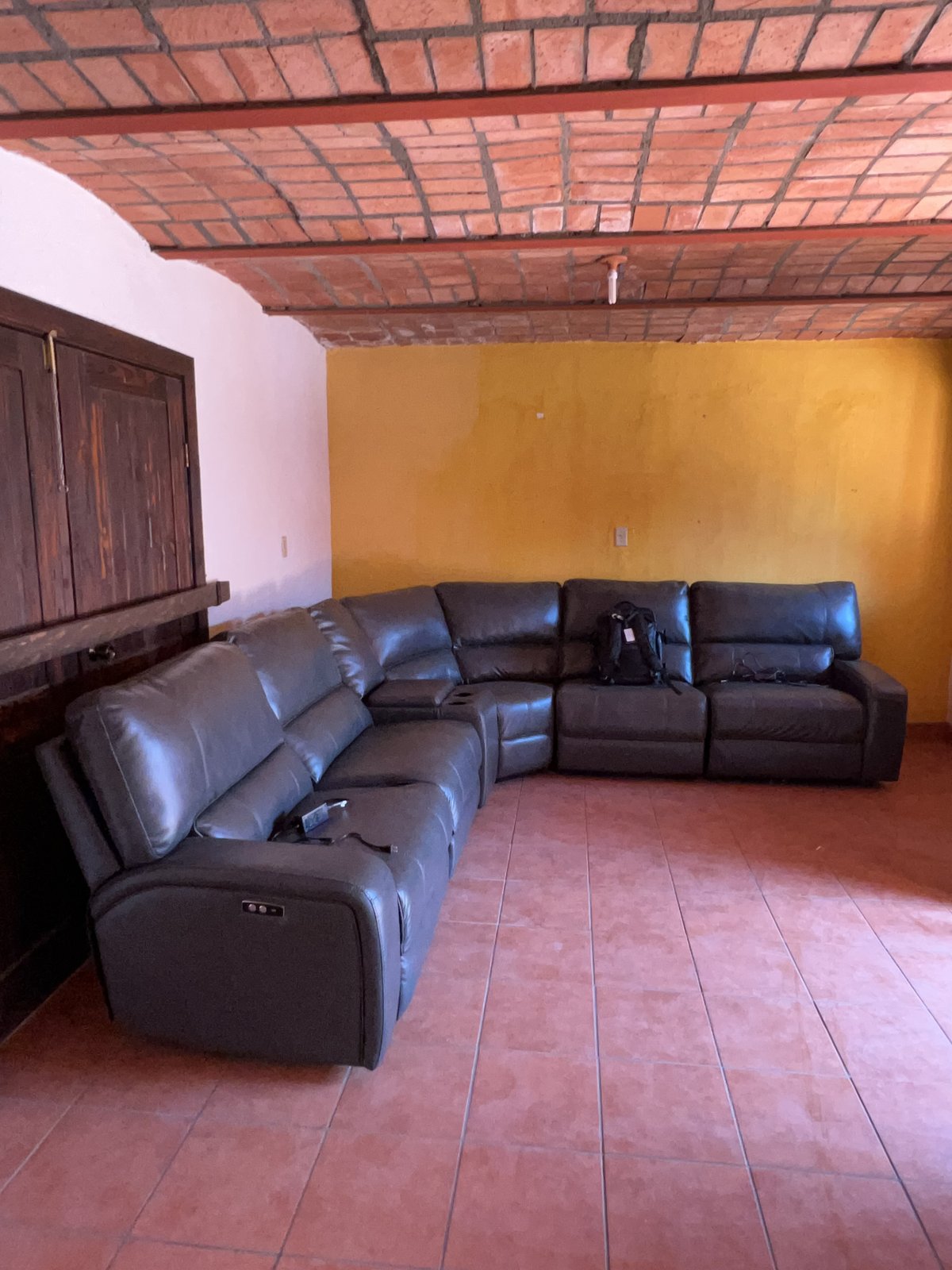
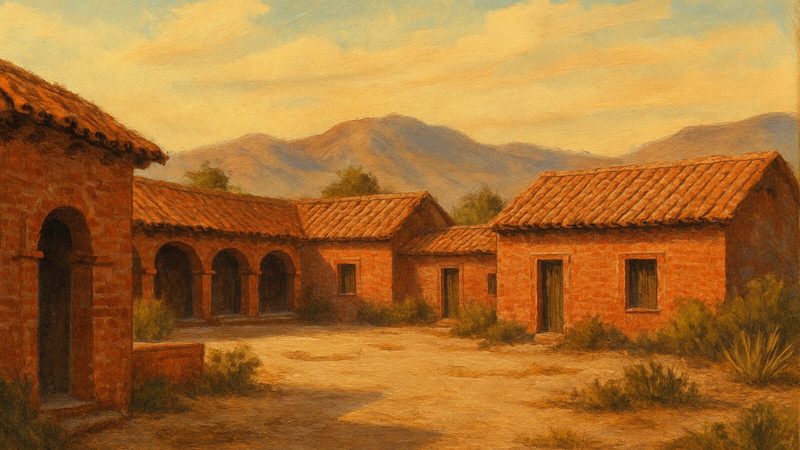
It turned out to be underpriced. Old Mexican charm. Hacienda layout. Four buildings around a courtyard. Across two adjacent lots. The owner, Maria Elena, had built the house in the 1950s or 1960s and raised her family in it. There were other buyers interested. She picked us anyway and waited months while we went through the fideicomiso, the city permits, and the appraisal.
Maria Elena became a friend. She came to my housewarming. She came back for dinners. I tried, unsuccessfully, to set her daughter up with my best friend Bryan. She and I have not done a great job of staying in touch since, and I regret it. She was one of the genuinely good humans of this whole story.
Haydee’s son, who is about ten years younger than me, became something like a kid I’d adopted. We were heartbroken when he moved to CDMX to be near his girlfriend. That’s not a sentence I expected to write about a realtor’s family. But that’s how these things go in Mexico. The lines between transactional and personal don’t exist where you’d expect them.
What the Process Actually Looked Like
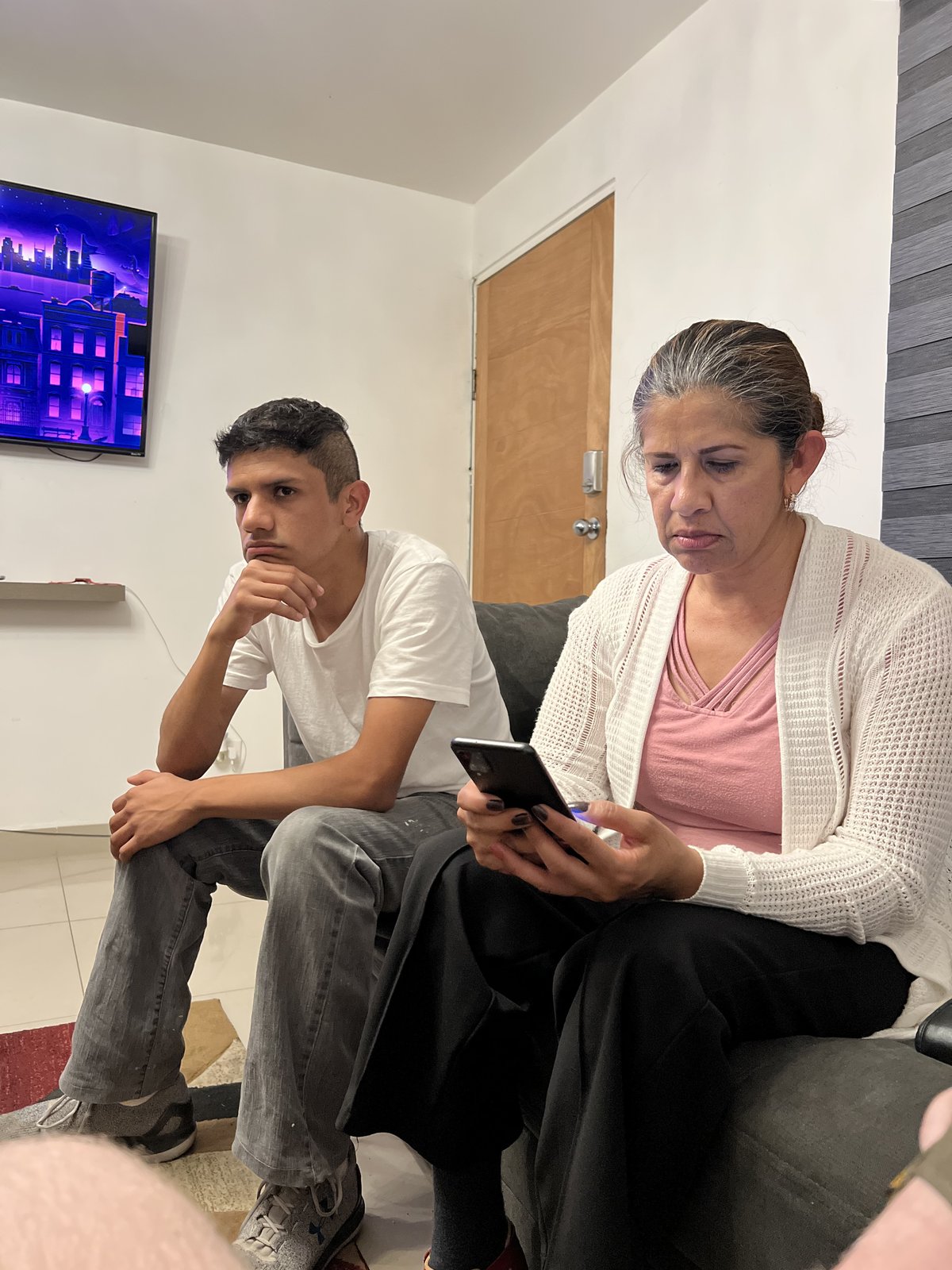
Mr. F walked me through every step. Opening a Mexican bank account. Wiring money from a US institution to a Mexican one, which is its own bureaucratic adventure. Drafting the purchase contract directly with Maria Elena.
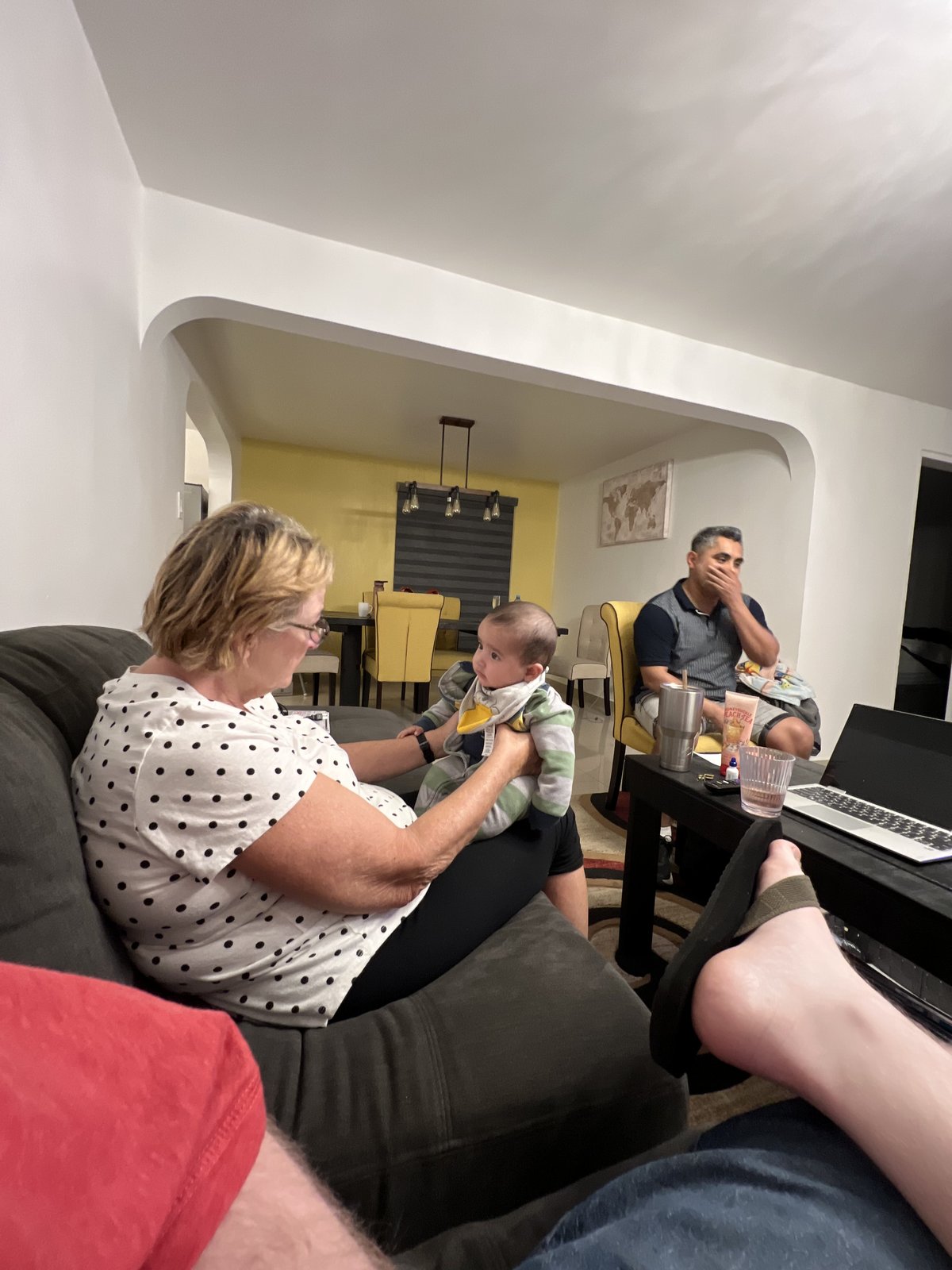
The day we signed the promesa with Maria Elena, my best friend Linda drove down for it. She was still living in San Diego at the time. Mom was there too. She sat on the couch holding Mr. F’s baby while we waited for everyone to arrive, Linda next to her. Haydee came with her son David, who’s about ten years younger than me. Haydee doesn’t speak English. David came to translate. None of us knew yet that he’d become someone I’d think of as family. We just thought we were signing a piece of paper.
In Mexico there is no escrow company. There is no neutral third party holding your money. You sign a private contract called a promesa de compraventa. You put down a percentage, typically 5 to 10%, to take the house off the market.6 In our case it was 10%. If you back out for a reason the contract doesn’t allow, the seller keeps the money. That’s the entire enforcement mechanism. There is no escrow officer to plead with. There is no title company calling everyone to mediate. There is the contract, your word, the seller’s word, and the eventual closing in front of the notario.
The notario publico is the other thing Americans get badly wrong. It sounds like a notary public. It is not a notary public. In Mexico the notario is a state-appointed attorney, usually a lifetime commission, who acts as a fiduciary for the state and indirectly for both buyer and seller.7 They verify the title is clean. They confirm taxes are current. They draft the actual deed. They calculate and collect the acquisition tax and registry fees. They register the new ownership with the public registry. Without a notario, the transaction doesn’t legally exist.
We signed the promesa in February 2022. We closed at the end of June 2022. Four months from earnest money to keys, which is normal for a fideicomiso purchase.
How This Compares to Buying a House in the US
Most of my American friends have no mental model for this. A normal home purchase in suburban Ohio or Michigan is a totally different animal.
| Step | A normal Ensenada neighborhood (2022) | Suburban Cleveland or Detroit (2022) |
|---|---|---|
| Who can own it | A Mexican via direct title, or a foreigner via fideicomiso | Anyone, direct title |
| Legal vehicle | 50-year renewable bank trust | Fee simple deed |
| Who closes it | State-appointed notario publico (lifetime commission) | Title company or closing attorney |
| Escrow | None. Private contract, direct earnest money to seller | Standard. Third-party escrow holds funds |
| Earnest money | About 10% of price | About 1 to 3% |
| MLS | None. Listings scattered across realtors and word of mouth | Standardized MLS |
| Closing timeline | 60 to 120 days, often longer | 30 to 45 days financed, 7 to 14 days cash |
| Title insurance | Optional and rare. Notario provides legal certainty only | Standard. Lender-required |
| Buyer closing costs | 6 to 8% of price | Median around $6,000 (CFPB 2022)8 |
| Financing | Almost always cash. Mexican mortgages exist but are rare for foreigners | About 74% financed (NAR)9 |
| Recurring trust fee | $500 to $1,000 per year forever | None |
Sources: Articles 27 and Ley de Inversión Extranjera as cited, MEXLAW and Mexperience for closing-cost ranges, CFPB and NAR for US comparisons.
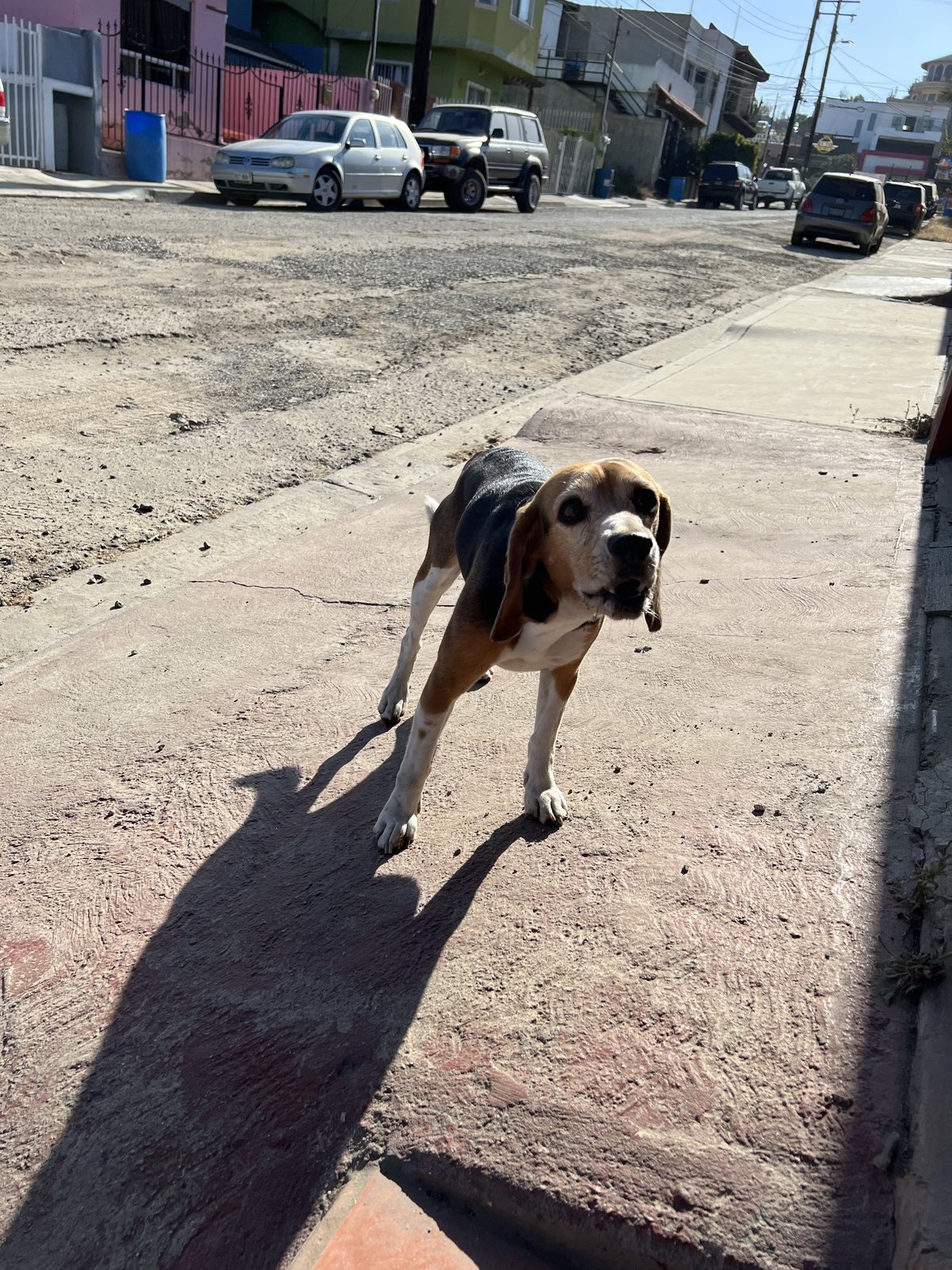
The Ensenada house is not in a gringo development. No guard at the gate. No HOA. No themed name with the word “vista” in it. The street outside still looks like a war zone in places. There are feral dogs and cats who shit wherever they please. The sidewalks are uneven where they exist at all. It’s just a normal neighborhood in a normal Mexican city, with the good and the bad of that bundled together.
Maria Elena’s house was running on two electrical circuits when we bought it. The whole house, on two circuits. I’m still not entirely sure what the gas situation was. There was no heating and no cooling. The plumbing was the original 1960s plumbing. We installed solar, redid the electrical, painted everything, and did structural repair on the property wall. In Mexico you wall in your property. Not for aesthetics. Because squatter laws are real, the rule of law is selective, and a wall is a basic precondition of safety. The yard concept Americans take for granted doesn’t apply.
What I Was Telling Myself at the Time
The plan when we closed was never to actually live there full time. I was going to civilize the house. Solar, working power, finished surfaces. Get it up to a standard a friend visiting from San Diego wouldn’t find depressing. Rent it out when I wasn’t there. Visit on long weekends.
Mom contributed about 20% of the total project, between the house, the furniture, and the renovations. She always called it “our house.” Not mine. Ours. At the time I thought it was generosity, and most of it was. It also gave me the message, quietly and repeatedly, that I was part of a unit that included her, and that I shouldn’t ever fully step out of that orbit. I’d hear that same phrasing for years. Felipe heard it too, later, and he had thoughts about it. But that’s a chapter for the part where things start to crack.
The Sleepover That Didn’t Become a Pattern
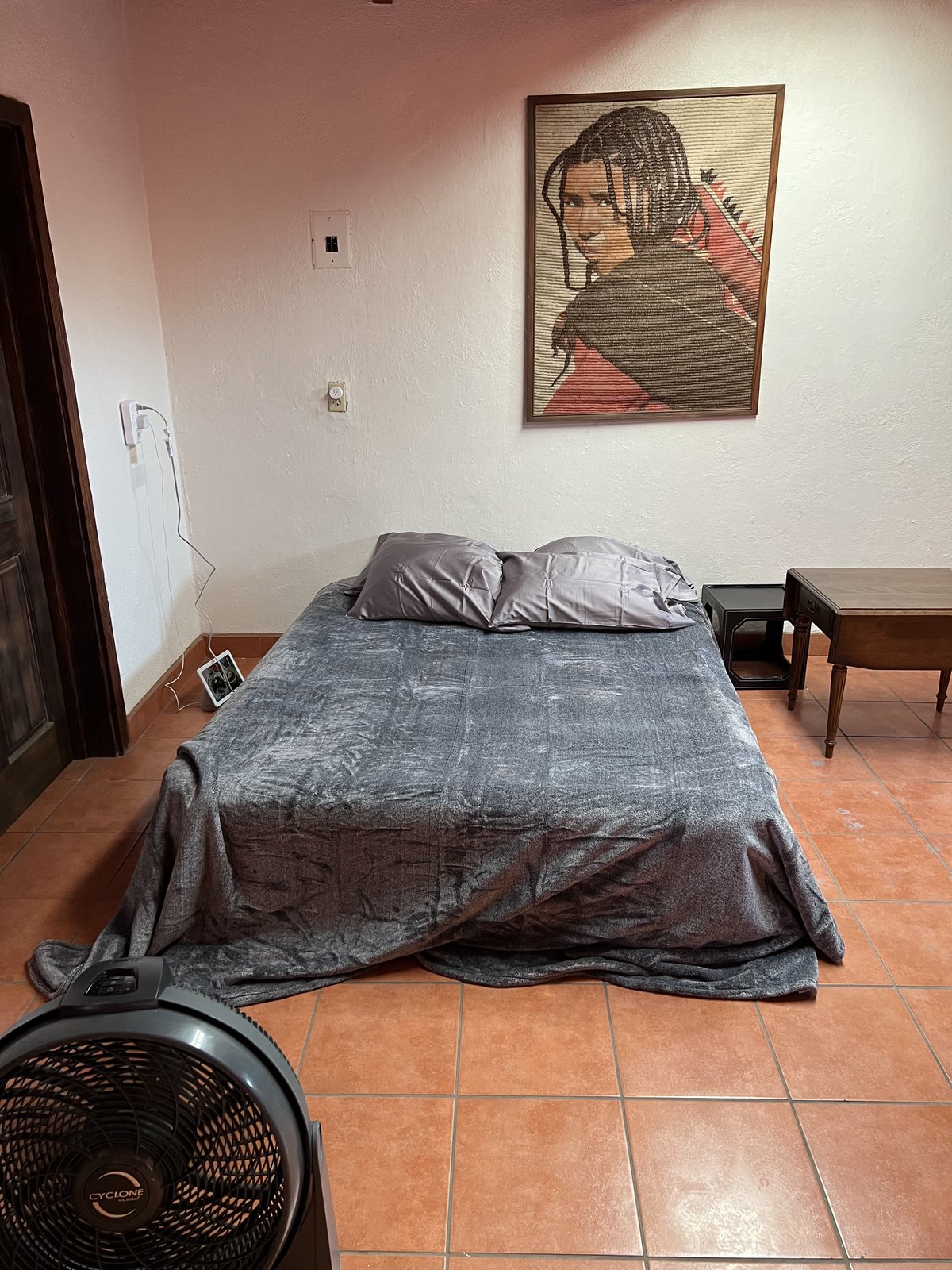
I want to be careful with how I write about Mr. F because he didn’t ask for any of this, and because he is a good person who happens to be a complicated one. Around this same period he had recently adopted a child. He was a single dad in his thirties trying to figure it out. We were close. We tried, once, the version of close where I’d stay over and we’d both be there for the kid.
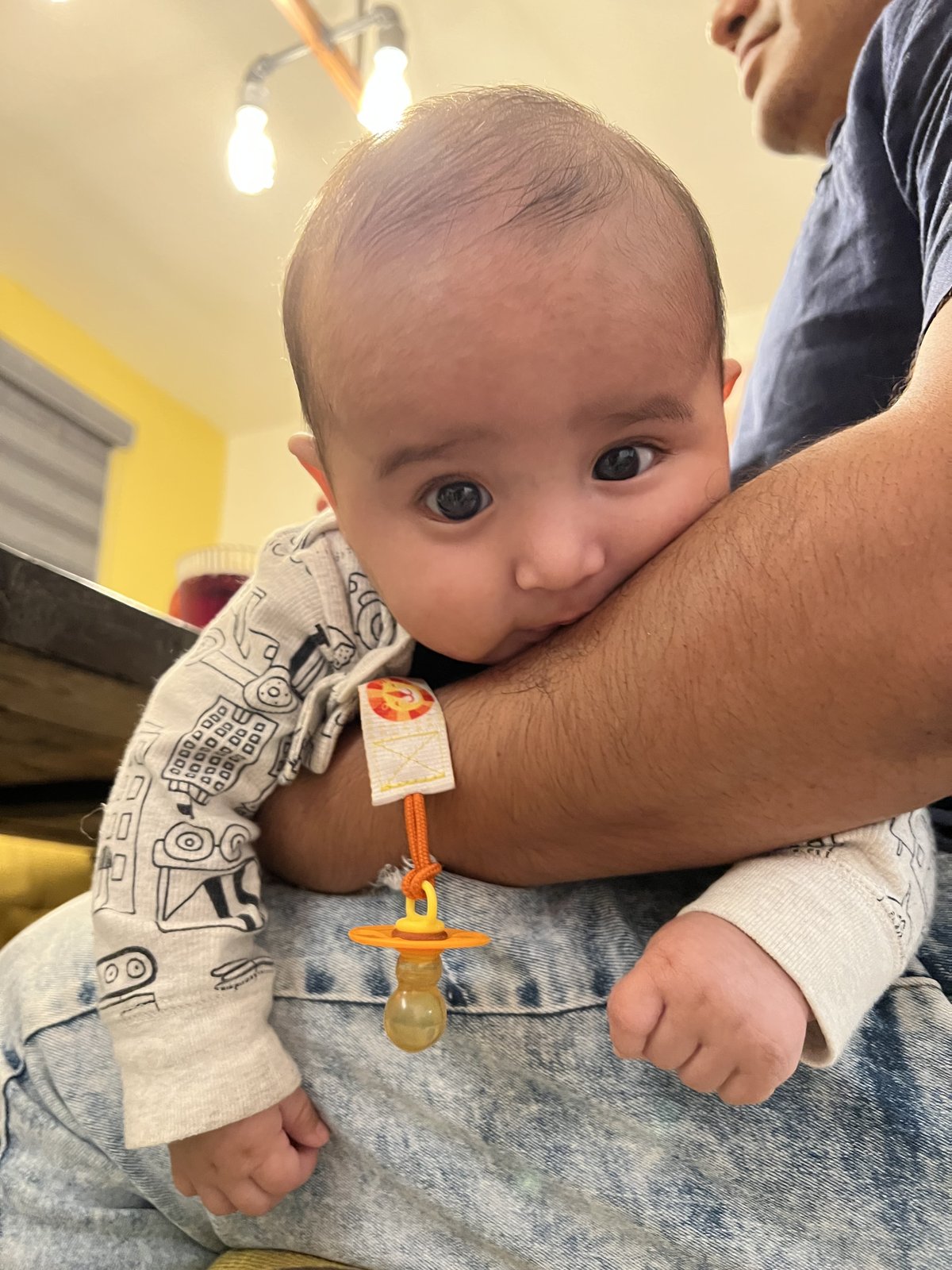
The kid was up multiple times in the night. Needed a bottle. Kicked me in the head while Mr. F slept through it. After the second time I handled the kid, I gave up, walked out to the couch, and let Mr. F handle the rest. He didn’t try a sleepover again after that. We stayed friends. I think we both understood without saying anything that I wasn’t going to be a co-parent and that he wasn’t really asking me to be one. He was just lonely and disorganized and trying things.
I think about that sleepover sometimes when I think about why he helped me so much with the house. I don’t think he wanted anything from me, exactly. I think helping me gave him something he wasn’t getting elsewhere. Maybe it was being the one in the room who knew how things worked. Maybe it was the temporary illusion of a partner-style life. Maybe it was just that helping is what good people do and I’m overthinking it. He never asked for repayment. He never even hinted. He is, for the record, the opposite of the kind of person who would.
That distinction is going to matter later. Mr. F never traded on any of the help he gave me. Other people in my life would. The ones who’d come later, the ones who’d build a relationship on top of the favor economy and turn it into the operating system of the whole thing. That archetype has a name in Spanish that I’ll have to introduce properly when we get there.
What All of This Cost Me Beyond Money
By the time I had the keys in late June 2022, I had a house. I also had a small network of people who had each, in their own way, gone out of their way for me. Haydee. Maria Elena. Mr. F. People at the bank. People in the notario’s office. None of them billed me for what I’d consider the real value of what they did. None of them framed it that way.
What I didn’t understand then is that I had also accepted, without noticing, a baseline assumption about how things work in Mexico. In Mexico, people help you. People who barely know you help you. And the help comes with no invoice, which sounds beautiful until you realize a system without invoices is a system where the accounting happens somewhere you can’t see.
I would meet a man in July of that year who understood that accounting better than anyone I’d ever met.
But that’s the next chapter.
-
Constitución Política de los Estados Unidos Mexicanos, Artículo 27, promulgated February 5, 1917. The “restricted zone” prohibition appears in Section I and has been in force since 1917. See US Department of State, Office of the Historian, Foreign Relations of the United States, 1917, Document 1145. https://history.state.gov/historicaldocuments/frus1917/d1145 ↩
-
Ley de Inversión Extranjera, published in the Diario Oficial de la Federación on December 27, 1993. Articles 10 through 13 govern the acquisition of real estate by foreigners in the restricted zone via fideicomiso. Official consolidated text at https://www.diputados.gob.mx/LeyesBiblio/pdf/LIE.pdf ↩
-
Article 13 of the Ley de Inversión Extranjera sets the maximum trust term at 50 years, renewable on request. The renewal is administrative and indefinite in practice. See MEXLAW, “Q&A About the Fideicomiso in Mexico.” https://mexlaw.com/qa-about-the-fideicomiso-in-mexico/ ↩
-
SRE permit application fees are set annually under Article 25 of the Ley Federal de Derechos and published in the Anexo 19 of the Resolución Miscelánea Fiscal. The 2023 figure was MXN $19,126.21, with the 2022 figure slightly lower. Practitioners typically quoted the equivalent of about US$1,000 in 2022. See Mexperience, “Costs and Taxes When Buying Property in Mexico.” https://www.mexperience.com/closing-costs-and-taxes-when-buying-property-in-mexico/ ↩
-
Setup and annual fideicomiso fees vary by bank. Setup fees in 2022 ran roughly US$1,500 to $2,500, and annual maintenance fees ran $500 to $1,000. See Coldwell Banker La Costa, “Closing Costs in Mexico: What Buyers Should Expect” https://www.cblacosta.com/blog/mexico-closing-costs-puerto-vallarta-restricted-zone/ and Compass Abroad, “Fideicomiso Renewal Cost and Process.” https://compassabroad.ca/guides/fideicomiso-renewal-cost-process ↩
-
Earnest money deposits in Mexican real estate transactions typically run 5 to 10% of the purchase price, sometimes higher. The funds are paid directly to the seller or to the seller’s attorney’s trust account, not to a regulated escrow company. See International Living, “Buying Property & Real Estate in Mexico.” https://internationalliving.com/countries/mexico/mexico-real-estate/ ↩
-
The Mexican notario publico is a state-appointed attorney with extensive practice experience who must pass a competitive state exam. In most Mexican states the appointment is for life. They are the only officials legally competent to formalize property transfers. See Mexperience, “Legal Matters: Finding a Notary Public in Mexico.” https://www.mexperience.com/finding-a-notary-public-in-mexico/ ↩
-
Consumer Financial Protection Bureau, press release of May 30, 2024: “In 2022, median closing costs were $6,000.” https://www.consumerfinance.gov/about-us/newsroom/cfpb-launches-inquiry-into-junk-fees-in-mortgage-closing-costs/ ↩
-
National Association of Realtors, 2024 Profile of Home Buyers and Sellers (covering July 2023 through June 2024). All-cash purchases reached a record 26%, meaning 74% used financing. https://www.nar.realtor/research-and-statistics/research-reports/highlights-from-the-profile-of-home-buyers-and-sellers ↩
More like this
What Everyone Thought
When you tell people you're moving to Mexico and falling in love with someone you've known for three dates, the reactions come in flavors...
The Life I Left (Which Was Actually Pretty Good)
Before I tell you about Mexico, I should probably tell you about San Diego. Not because I was miserable there and needed to escape. The o...
Comments
Comments are powered by Disqus, which sets third-party cookies. Click above to load.